Energy & Sound

Energy and sound have always been central to our own journeys of transformation. The vibrations we surround ourselves with can shift mood, restore balance and deepen connection, whether through the steady rhythm of a drum, the resonance of a crystal bowl, or the quiet support of tools that protect and recharge our energy.

In this collection you’ll find the instruments, crystals and devices we’ve personally worked with and recommend. Each has played its part in helping us raise our vibration, clear our space and invite harmony into daily life.

Sound Healing Instruments

Sound and rhythm can have a powerful effect on how we feel. Certain tones, vibrations, and repetitive sounds can help create moments of calm, focus, grounding, reflection, or nervous system regulation. These are the sound-based tools we’ve personally used and found supportive in different ways — from meditation and relaxation to creating calmer environments and helping shift mental state. As always, the goal isn’t to follow someone else’s ritual perfectly, but to explore what genuinely helps your own mind and body feel more supported.

3 Crystals bowls
Sally Recommends: Crystal singing bowls create soft, resonant tones that many people find deeply calming and grounding. Different sounds and vibrations can affect people differently — some find them supportive for meditation, relaxation, focus, or simply creating a calmer atmosphere within their environment. What I personally love about crystal bowls is how immersive the experience feels. Unlike background music, the tones encourage you to slow down, pause, breathe, and become more aware of how your body and nervous system are responding in the moment. This set of 3 is a lovely starting point because it gives you a range of tones and sound experiences to explore, helping you discover which sounds you naturally resonate with most rather than assuming there’s one “right” frequency or experience for everyone.
Cow Hide Drum
Sally Recommends: Drumming can have a powerful effect on how we feel. Rhythm, repetition, and vibration often help people feel more grounded, present, focused, or emotionally released, which is why drumming has been used across cultures for centuries in meditation, ceremony, and community practices. What I personally love about frame drums is that the experience feels deeply individual. Different drums create different tones, textures, and emotional responses depending on the materials, size, depth, and how they’re played. Wooden-framed hide drums tend to create a richer, more resonant sound that many people find immersive and calming. For me, choosing a drum is less about finding the “best” one and more about finding one you naturally connect with – visually, energetically, and sonically. This particular drum stood out to me because of both its sound and its craftsmanship.
Shamanic Drum
Charlotte Recommends: Drumming can have a surprisingly powerful effect on how we feel. Rhythm, repetition, and vibration are often used to support grounding, focus, emotional release, and nervous system regulation, which is why drumming practices have existed across cultures for centuries. What I’ve found most interesting is how personal the experience can be. Different drums create completely different sounds, textures, and emotional responses depending on their materials, shape, depth, and how they’re played. This vegan drum offers a great alternative for those who love the experience of drumming but prefer not to use animal hide products, while still creating strong, sharp percussive tones through its wooden frame and synthetic head. I love the visual and feel of this particular drum, but for me the important thing is always finding an instrument that genuinely resonates with you – ethically, aesthetically, and in how it makes you feel when you play it.
Ocean bead drum
Sally Recommends: Ocean drums create soft, flowing sounds that mimic the rhythm of waves, which many people find instantly calming and grounding. The gentle movement of the beads creates a soothing sensory experience that can help slow the mind down, encourage relaxation, and create a more peaceful atmosphere. I particularly like this as part of a wider sound healing or meditation practice because it feels immersive without being overwhelming. There’s something very regulating about repetitive natural sounds, especially when you allow yourself to fully focus on the rhythm and movement. It can take a little practice to control the sound smoothly at first, but once you get the hang of it, it becomes a really lovely tool for creating moments of calm, reflection, and nervous system support.
steel tongue drum
Charlotte Recommends: Steel tongue drums create soft, sustained tones that many people find calming, meditative, and surprisingly grounding. Unlike more percussive drums, the sound tends to feel gentler and more melodic, which can help create moments of focus, relaxation, reflection, or nervous system regulation. What I particularly like about steel tongue drums is that they’re very accessible, even for people with no musical background. The notes naturally work well together, so there’s less pressure to “play correctly” and more opportunity to simply explore sound, rhythm, and how different tones make you feel. Compared to traditional frame drums, steel drums produce longer, more harmonic tones with a smaller range of notes, which gives them a very different feel and sensory experience. For me, this is another great example of how different sound tools support different people and situations in different ways.
In-Harmony Meditation Chair
Charlotte Recommends: I actually supported the creation of the InHarmony chair through Kickstarter and was the first person to have one in the UK — and honestly, it completely exceeded my expectations. It’s one of the most immersive sound and vibration experiences I’ve personally tried. The chair combines sound, vibration, and guided meditation in a way that helps create a deeply calming and embodied experience. Rather than simply listening to sound, you physically feel the vibrations moving through the body via the subwoofer built into the chair, which creates a very different sensory experience to traditional meditation practices. What I particularly love about it is that it makes meditation feel more accessible for people who struggle to “switch off” mentally or find traditional meditation difficult. The combination of sound and physical vibration gives your mind and body something tangible to focus on, helping you settle into a calmer state much more naturally and passively. For me, this is less about forcing meditation and more about creating an environment that helps your nervous system slow down and respond differently. It’s genuinely unlike anything else I’ve experienced in this space. This link includes a 5% discount just for you.
Wind chimes
Charlotte Recommends: Koshi Chimes create beautifully soft, melodic tones that can instantly change the feel of a space. Their sound is light, calming, and atmospheric, making them a lovely addition to meditation, relaxation practices, sound baths, or simply creating quieter moments within a busy day. Each chime is inspired by one of the four elements – Earth, Water, Fire, and Air – and produces slightly different tones and moods depending on which one you choose. What I personally love about them is that the sound feels gentle and immersive without being overpowering, which can be really supportive for calming the nervous system and creating a more peaceful environment. I actually discovered these during a sound bath and immediately understood why people love them. I don’t own a set yet myself, but they went straight onto my wish list after experiencing how grounding and soothing they felt in person.
Tibetan Bowl
Charlotte Recommends: Tibetan singing bowls have been used for centuries within meditation, mindfulness, and reflective practices to create rich, resonant tones that many people find deeply calming and grounding. The sustained sound and vibration can help slow the mind down, create moments of stillness, and support relaxation or meditation practices. What I personally like about singing bowls is that they create an experience that feels both sensory and immersive. The sound encourages you to pause, focus, breathe, and notice how your body and nervous system respond in the moment, which is why so many people incorporate them into mindfulness and sound healing practices. I particularly like this set because it combines the more traditional feel of Tibetan singing bowls with a little extra colour and personality, making them feel both practical and visually beautiful within a calming space or ritual.
Tuning Forks
Sally Recommends: Tuning forks are sound-based tools that create precise vibrations and tones when struck. Many people use them within sound therapy, meditation, relaxation, or mindfulness practices to help create moments of calm, focus, grounding, and nervous system regulation. What I find particularly interesting about tuning forks is how different frequencies create noticeably different sensory experiences. Some tones feel softer and more calming, while others feel more energising, clarifying, or physically grounding depending on how and where they’re used. This set is a lovely introduction because it gives you a small range of frequencies to experiment with and explore for yourself. Rather than there being one “perfect” frequency, I think it’s more about noticing which sounds and vibrations your body naturally responds to most positively in different situations. For me, tuning forks are less about forcing a result and more about creating intentional moments of pause, awareness, and sensory support.

Regulation & Recovery Tools

Some tools can help create environments and experiences that support rest, recovery, focus, calm, and nervous system regulation. From light and sound to grounding and sensory support, these are products we’ve personally explored and found supportive in different ways. What works for one person may feel completely different for another, which is why this section isn’t about finding a single “perfect” solution. It’s about experimenting, observing your response, and discovering which tools genuinely help your own body and mind feel more balanced, supported, and regulated. As always, the goal isn’t dependency – it’s self-expertise. Learning what helps you feel and function at your best, and building a toolbelt that reflects your own unique needs and experiences.

Bio-Healing Frequency Generator
Charlotte Recommends: I originally bought this frequency generator out of curiosity and experimentation, and it’s become one of the most versatile tools in my wider wellness toolbelt. The idea behind it is simple: different sound frequencies may create different responses within the body, mind, and environment, and this device allows you to explore that for yourself in a very practical way. What I personally like is the flexibility. You can experiment with different frequencies depending on what you’re trying to support at that moment — whether that’s creating a calmer environment, supporting focus, relaxation, sleep, meditation, or simply noticing how certain sounds make you feel. I’ve created different protocols over time for things like immunity support, respiration, gut support, emotional processing, and nervous system regulation. You can either play the frequencies aloud through the speaker or run them silently in the background, depending on your preference and environment. For me, this isn’t about blindly believing claims or expecting a magic fix — it’s about experimenting, observing patterns, and discovering what genuinely feels supportive for your own body and mind.
Grounding mat
Nicky Recommends: Grounding mats are designed to recreate some of the effects people experience when spending time barefoot on natural surfaces like grass, soil, or sand. Many people find grounding practices supportive for relaxation, recovery, sleep, stress reduction, and feeling more physically settled and connected. What I personally like about grounding mats is that they make the practice much more accessible within everyday life. Ideally I’d spend more time walking barefoot outdoors, but realistically the weather, lifestyle, and workload don’t always make that practical. This gives me a simple way to incorporate grounding into my routine more consistently at home. I tend to use mine after treatments, as well as morning and night, because I personally find it helps me slow down, reset, and feel more balanced after busy or energetically demanding days. Like many tools in wellness, the important thing is noticing how your own body responds and whether it feels supportive for you personally.
Meditation Machine system image
Charlotte Recommends: When I was teaching myself to sleep again after years of insomnia, one of the biggest challenges was getting my brain to properly switch off and settle into rest. Traditional meditation didn’t come naturally to me at the time, so using a meditation machine became an incredibly helpful bridge. These devices combine rhythmic light and sound patterns to help guide the brain into calmer, more relaxed states. What I found particularly useful was that it gave my mind something structured to focus on, which made it much easier to disengage from overthinking and gradually build healthier sleep patterns and nervous system responses. I used mine consistently for around three months and genuinely noticed a huge shift — my sleep increased from roughly three hours a night to closer to seven. Over time, I found my body became better at accessing those calmer states naturally, even without relying on the machine every night. For me, this is a great example of how supportive tools can help you create new habits and nervous system patterns, especially during periods where your mind and body need a little extra support reconnecting with rest.
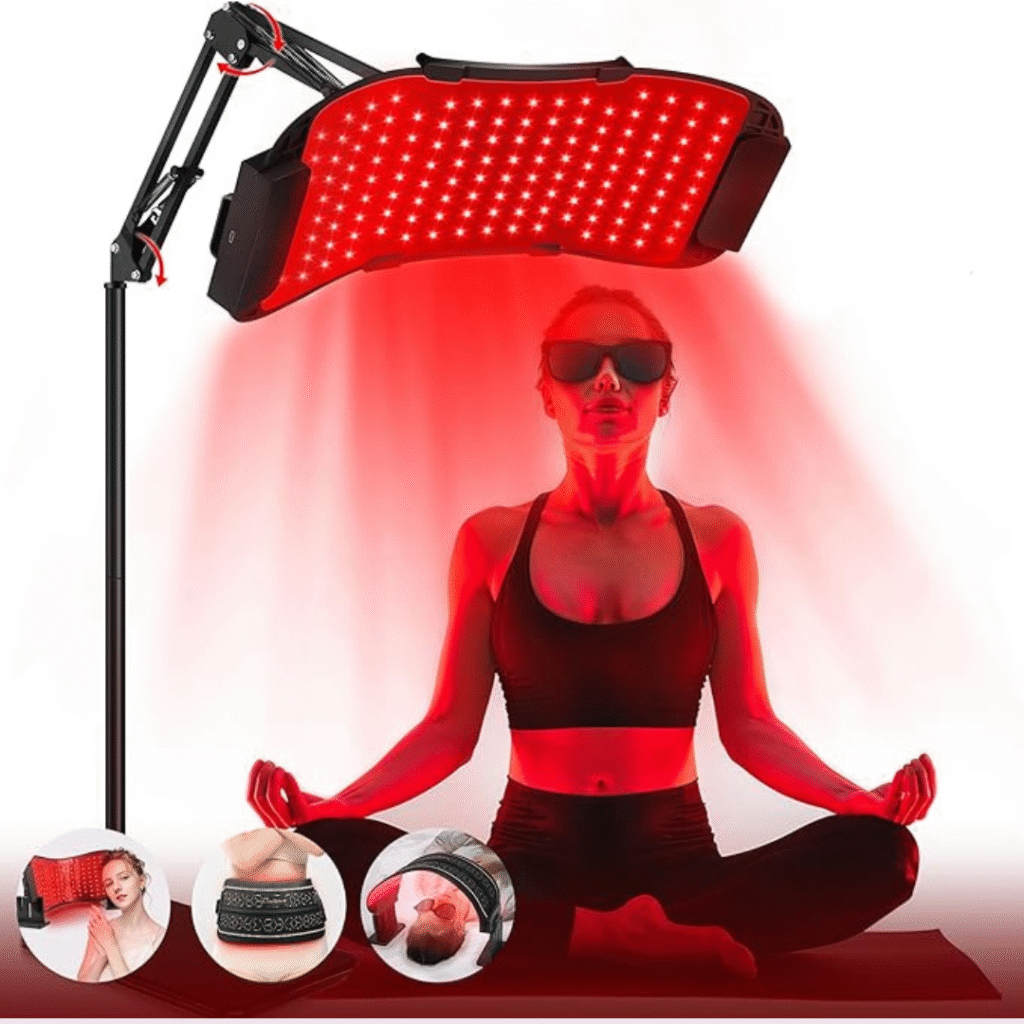
Red light therapy device
Charlotte Recommends: Red and near-infrared light therapy is something I tend to use more during periods where my body feels depleted, inflamed, slower to recover, or particularly affected by the darker winter months. Many people explore red light support for recovery, energy, skin health, inflammation, and overall wellbeing support. What I personally love about this device is that it feels like a very gentle, consistent form of support rather than something extreme or invasive. Especially during winter, when natural light exposure drops and energy levels can feel lower, I find it helps create a sense of warmth, restoration, and daily nourishment for both body and mind. Like many tools within wellbeing, I think the key is consistency and noticing how your own system responds over time. For me, it’s become one of those simple practices that helps me feel more supported during periods where my body needs a little extra care and recovery.
White noise machine
Charlotte Recommends: White noise machines can be incredibly supportive for people who struggle with sleep, overstimulation, concentration, tinnitus, or environments where sudden sounds constantly pull the nervous system back into alertness. By creating a steady background sound, they help soften the impact of unpredictable noise and create a more stable, calming sensory environment. What I personally like about white noise is that it gives the brain less to react to. Instead of constantly anticipating or responding to every small sound, the nervous system can begin to settle into a more relaxed and consistent state, which many people find helpful for sleep, focus, meditation, or reducing mental overwhelm. I also think these devices can be particularly supportive for people with tinnitus, where the consistent background sound may help reduce the intensity or awareness of ringing and buzzing sensations. For me, this is another great example of how changing your environment and sensory input can sometimes have a surprisingly powerful effect on how your mind and body feel day to day.

Environmental & Energy Support

Modern life surrounds us with constant technology, stimulation, noise, and environmental inputs, and many people notice that their body and nervous system respond differently depending on the spaces and devices they spend time around. This section explores tools we’ve personally experimented with to create calmer, lower-stimulation, and more supportive environments within everyday life. Some focus on reducing distractions and digital overwhelm, while others are simply practices and products we’ve found personally supportive within our own spaces and routines. As always, this isn’t about fear or perfection. It’s about curiosity, experimentation, and noticing what genuinely helps you feel more balanced, rested, and supported within your environment.


EFT Blockers
Charlotte Recommends: These little stickers have become a staple within my home and are one of the easiest environmental support tools we use day to day. They’re designed using harmonising frequency technology and can be placed onto everyday electrical devices — from phones and WiFi routers to TVs, microwaves, heaters, and other electronics. What I personally like about them is the simplicity. Once they’re in place, they quietly become part of your environment without needing any effort or ongoing attention. Some people notice they feel calmer, less overstimulated, or more comfortable around technology-heavy spaces when using products like these, while others simply enjoy the feeling of creating a more intentional and supportive environment within their home. As with everything in wellbeing, I think it’s important to stay curious and notice your own experience rather than blindly accepting or dismissing things. For me, these have become one of those small supportive tools that are easy to incorporate into everyday life.
Faraday Pouch
Charlotte Recommends: We’ve found Faraday pouches to be a simple but really interesting tool for creating more intentional boundaries with phones, devices, and constant digital exposure. By blocking signals when your phone is inside, they offer a way to temporarily disconnect without needing to fully power devices down or remove technology from your life altogether. Some people are particularly sensitive to the constant stimulation that comes from always being connected, whether that shows up as difficulty switching off, feeling overstimulated, disrupted sleep, or simply a sense of never fully getting a break from technology. I’ve personally found that creating small moments of separation from devices can make a noticeable difference to how calm and settled an environment feels. For me, this isn’t about fear or perfection — it’s about experimenting with your environment and noticing what helps you feel more balanced, rested, and less overstimulated within modern life. If you’re curious about how constant device exposure affects you personally, this is a very easy tool to explore with.
Faraday pouch
Charlotte Recommends: We’ve found Faraday pouches to be a simple but effective way to create more intentional boundaries with phones and devices. By blocking signals while your phone is inside, they offer a way to temporarily disconnect and reduce the constant sense of being “on” without needing to completely remove technology from your life. Some people notice they feel more affected than others by prolonged device exposure, overstimulation, constant notifications, or always being connected. I’ve personally found that creating small periods of separation from devices can help certain environments feel calmer, quieter, and less mentally busy. For me, this isn’t about fear or rigid rules – it’s about experimentation and awareness. If you’re someone who feels impacted by constant device use or wants to create more intentional recovery time away from technology, this is a really easy tool to explore for yourself.
Orgone
Charlotte Recommends: Looking for ways to create calmer, more supportive environments around technology led me to exploring orgonite products. Orgonites are typically made from a combination of resin, metals, and crystals, and are designed to help harmonise environmental energy and reduce the feeling of energetic heaviness or overstimulation within a space. While this is still a developing and widely debated area, I’ve personally found orgonites interesting to experiment with around technology-heavy environments like desks, offices, and sleeping spaces. Even if part of the benefit comes from creating a more intentional and energetically supportive environment, I still find them valuable tools to explore. For me, these are less about fear or believing there’s one perfect solution, and more about noticing how different spaces, materials, and environments affect how I feel day to day. They also happen to be visually beautiful additions to a space, which never hurts either. This version uses Black Tourmaline, which many people associate with grounding, steadiness, and energetic protection. I personally think this is a great option for workspaces, desks, or environments where you want to feel more settled, focused, and supported throughout the day.
Rose Quartz Orgone
Charlotte Recommends: Looking for ways to create calmer, more supportive environments around technology led me to exploring orgonite products. Orgonites are typically made from a combination of resin, metals, and crystals, and are designed to help harmonise environmental energy and reduce the feeling of energetic heaviness or overstimulation within a space. While this is still a developing and widely debated area, I’ve personally found orgonites interesting to experiment with around technology-heavy environments like desks, offices, and sleeping spaces. Even if part of the benefit comes from creating a more intentional and energetically supportive environment, I still find them valuable tools to explore. For me, these are less about fear or believing there’s one perfect solution, and more about noticing how different spaces, materials, and environments affect how I feel day to day. They also happen to be visually beautiful additions to a space, which never hurts either. This blend combines Rose Quartz with Obsidian, creating a softer and calmer feel within a space. I’d naturally lean towards this one in environments where you want things to feel more peaceful, nurturing, emotionally calm, or restorative rather than simply “protective.”
Pyramid Orgone
Charlotte Recommends: Looking for ways to create calmer, more supportive environments around technology led me to exploring orgonite products. Orgonites are typically made from a combination of resin, metals, and crystals, and are designed to help harmonise environmental energy and reduce the feeling of energetic heaviness or overstimulation within a space. While this is still a developing and widely debated area, I’ve personally found orgonites interesting to experiment with around technology-heavy environments like desks, offices, and sleeping spaces. Even if part of the benefit comes from creating a more intentional and energetically supportive environment, I still find them valuable tools to explore. For me, these are less about fear or believing there’s one perfect solution, and more about noticing how different spaces, materials, and environments affect how I feel day to day. They also happen to be visually beautiful additions to a space, which never hurts either. Shungite is one of the most commonly discussed materials within EMF and environmental energy conversations, and many people are drawn to it specifically# for its grounding and shielding associations. Combined with copper, this version feels like a stronger, more energised option for technology-heavy spaces or work environments.
Scroll to Top
Not Sure Where to Start? These Will Help.

Sign up for our fortnightly newsletter and get instant access to the Getting Started Guide — a beautiful introduction to living and growing with intention. It’s the first tool for your personal ‘toolbelt for life.’

×