|
'TOOLBELT FOR LIFE' EDITION
|
| | |
|
Welcome to February's Toolbelt for Life. In January, we explored the idea of Selective Growth in The Other Way.
Not all growth is healthy.
Not everything that can grow should.
And not every opportunity deserves your energy.
Selective growth asks a quieter, more powerful question:
What is worth nurturing now?
That question sits at the heart of discernment. And discernment, in practice, is curation.
Here at The Alchemy of Being, we don’t believe growth comes from adding more and more. More tools. More practices. More effort. We believe it comes from learning how to curate. To choose consciously what you feed, what you maintain, and what you gently stop giving energy to.
That’s why February’s theme is Energy as a Resource.
Your energy is not infinite.
Your attention is not free.
And where you place both determines what grows, and what quietly depletes, in your life.
This month, we’re not focused on overhaul or optimisation. We’re focused on intelligent nourishment. On protecting what matters. On choosing depth over spread.
Because when you treat your energy as a resource, growth becomes intentional rather than accidental. And life begins to feel more spacious, more aligned, and more sustainable. |
| | |
|
In Alchemist's Alcove, we delve into the world of our founding alchemists, exploring their personal journeys, passions, and unique approaches to transformation. Discover the tools, modalities, and insights that shape their practice and inspire change. |
| | |
|
When the Pressure Comes from Inside |
|
For a long time, especially in my twenties, I lived under constant pressure. Not because anyone was demanding it of me, but because I was. I put myself under pressure to do well in my career, to be promoted, to be seen as capable. Pressure to be socially available, energetic, and fun. Pressure to be the partner I thought I should be. Pressure to get it all right.
At the time, it felt like ambition. Like commitment. Like living fully. What I couldn’t see then was how much energy that internal pressure was quietly consuming. There was no off switch. No place where I was allowed to just be enough as I was.
What I’ve come to understand since is that not all pressure is external. Some of the most draining pressure comes from the expectations we place on ourselves, often unconsciously. When that pressure runs in the background of every area of life, energy is constantly leaking, even when nothing looks “wrong” on the surface.
Learning to treat energy as a resource changed that for me. It shifted the question from can I keep going? to what is this costing me? And with that shift came discernment. Not about doing less for the sake of it, but about choosing where my energy genuinely belongs.
Selective growth, I’ve learned, isn’t about pushing harder. It’s about releasing the internal pressure that was never sustainable in the first place. |
|
|
| | |
|
In Practice Prompt, we offer a bite-sized ritual or reflective question to bring the theme of the month into your daily rhythm. These simple yet powerful nudges are designed to help you pause, recalibrate, and listen to the quiet wisdom within. Because real change starts with one intentional breath. |
| | |
|
Practice Prompt: The Energy Spend Check-In
For the next few days, treat your energy like a resource you are consciously spending.
Pause before or after key moments and ask yourself:
"Did this give me energy, drain it, or quietly leak it away?"
There’s no need to change anything immediately. Simply noticing where your energy goes builds discernment.
Over time, selective growth happens naturally as you begin to feed what sustains you and withdraw energy from what doesn’t. |
| |
|
In Modality Moments, we introduce you to a unique modality each week, sharing its significance, why it’s worth exploring in our Wellness Wiki, and a personal insight to inspire your journey. |
| | |
|
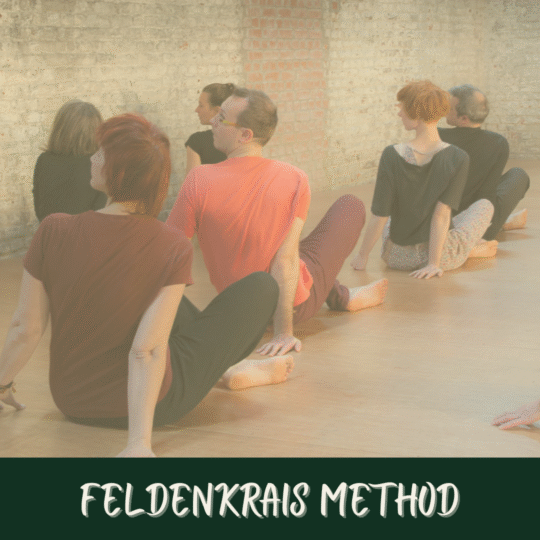
Feldenkrais Method |
|
The Feldenkrais Method treats energy as a finite resource by helping you notice where effort is being wasted and where it can be used more intelligently.
Through gentle, mindful movement, it teaches the nervous system to release habitual tension and over-efforting, freeing up energy that can be redirected toward what actually matters.
Rather than forcing change, Feldenkrais supports selective growth by removing what drains your system and strengthening efficiency, awareness, and choice. |
|
|
| | |
|
In Tool Time, we highlight one practical tool designed to support your inner alignment and everyday well-being. Whether it's a downloadable guide, a journal prompt, or a boundary-building aid, each spotlight offers something tangible to help you take your transformation from theory into practice - one tool at a time. |
| | |
|
Consider An Energy Audit |
|
Our Energy Audit is designed to help you become more discerning about how your energy is being spent across different areas of your life. Rather than focusing on productivity or performance, it supports selective growth by helping you notice what genuinely sustains you, what drains you, and what your nervous system is responding to beneath the surface. By treating energy as a resource to be curated, this tool invites you to make more intentional choices about where your energy goes.
You’ll find the Energy Audit within our 'Be the Expert in You' page. Scroll to the Body section, select the Energy & Fatigue Patterns domain, and look under Useful data and signals to download the audit. Take your time exploring the page if it’s helpful. |
|
|
| | |
|
In Product Pick, we spotlight a curated item from our store each week, featuring recommendations from our alchemists and insights on why this product could enhance your journey toward wellness and transformation. |
| | |
|
Magnesium Oil Spray |
|
Magnesium oil spray offers a simple, accessible way to support the nervous system and protect your energy on a daily basis.
Applied directly to areas of tension, it helps the body release over-efforting and calm background stress that can quietly drain energy throughout the day.
Rather than pushing for more energy, this approach supports selective growth by restoring balance, allowing your energy to be used more intentionally and sustainably. |
|
|
| | |
|
In Transformative Tales, we share stories of personal transformation - from our own experiences, our readers' journeys, and inspiring narratives from around the world. These stories aim to ignite hope, spark inspiration, and demonstrate the incredible potential for change that resides within each of us. |
| | |
 |
|
The Wisdom of Bare Trees |
|
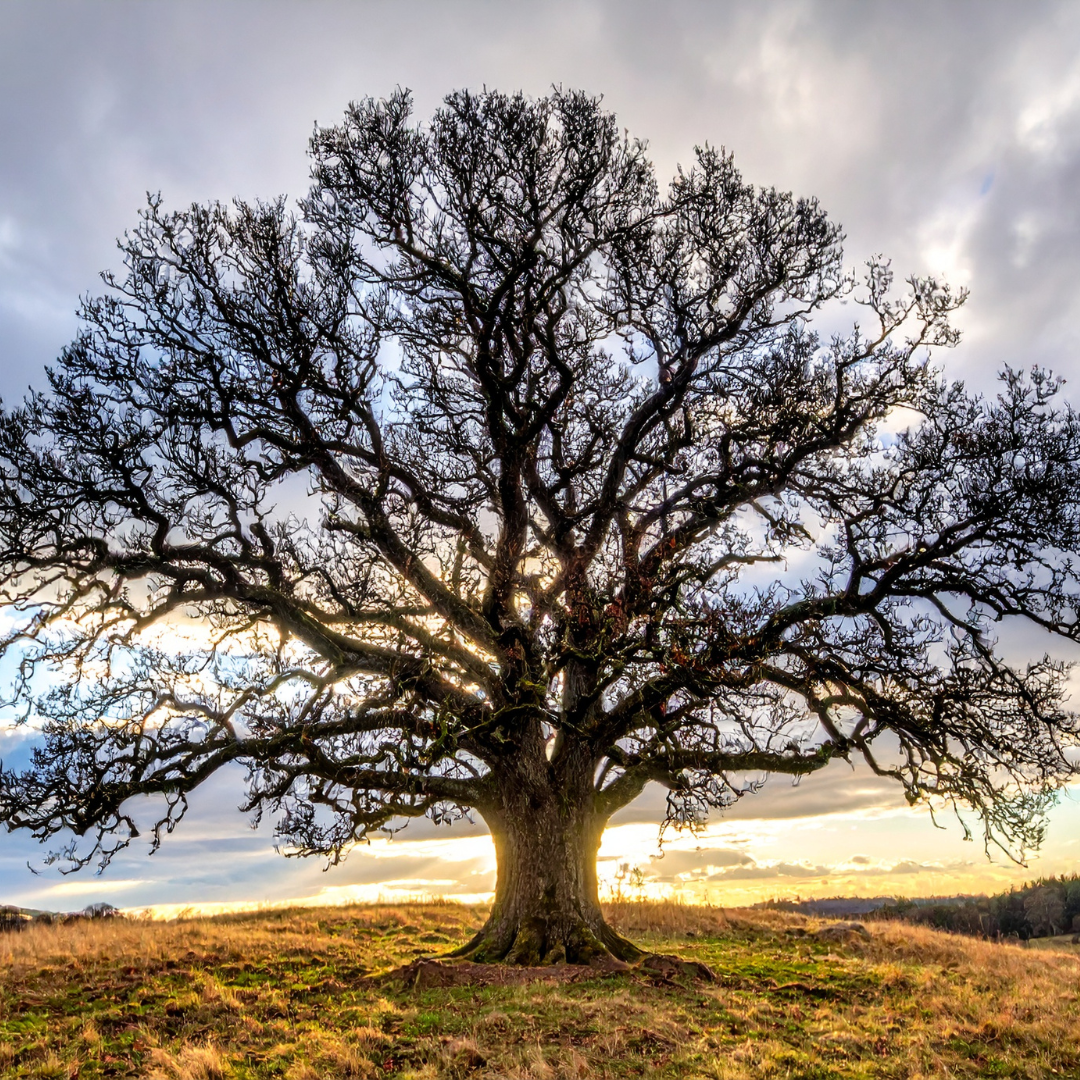
If you look around right now, many trees are still completely bare. They’ve been that way for months. And nothing has gone wrong.
Deciduous trees don’t cling to their leaves through winter out of hope or effort. They let them fall because keeping them would cost too much energy when light is low and conditions are harsh. Letting go isn’t failure, it’s discernment. It’s how the tree protects its core so it can survive the season and grow again when the time is right.
What’s striking is that the tree doesn’t rush to replace what it’s released. It doesn’t panic at being bare. It stays exactly as it is. Conserving energy. Preserving resources. Trusting its own timing.
We often struggle with this as humans. When something falls away, a role, a habit, a pace, an expectation, we feel pressure to replace it quickly. To fill the space. To prove we’re still growing. But nature shows us a different truth: sometimes growth requires spaciousness. Sometimes energy is best spent not on becoming more, but on staying alive and well.
Selective growth asks the same of us. To recognise when holding on costs more than letting go. To allow ourselves seasons of rest, simplicity, and quiet conservation. Being “bare” for a while is not stagnation. It’s a strategy for sustainable growth. |
|
|
| | |
|
This month, we’ve explored what it really means to treat energy as a resource.
From the quiet wisdom of bare winter trees, to the way internal pressure can quietly drain us, to practices that help us notice where our energy is being spent, a clear thread runs through everything we’ve shared: selective growth begins with discernment.
Sometimes growth looks like learning to use less effort, as in the Feldenkrais Method. Sometimes it looks like noticing energy leaks before trying to fix them. And sometimes it looks like supporting the nervous system so energy can be used more intentionally rather than constantly depleted.
You don’t need to add more to grow. You need to curate more wisely.
If something in this month’s newsletter resonated, consider sharing it with someone you care about. Especially someone who might benefit from permission to slow down, conserve, and choose where their energy truly belongs.
Until next time,
The Alchemy of Being Team
|
| | |
|
Check us out on our socials for more fab stuff |
| | |
|